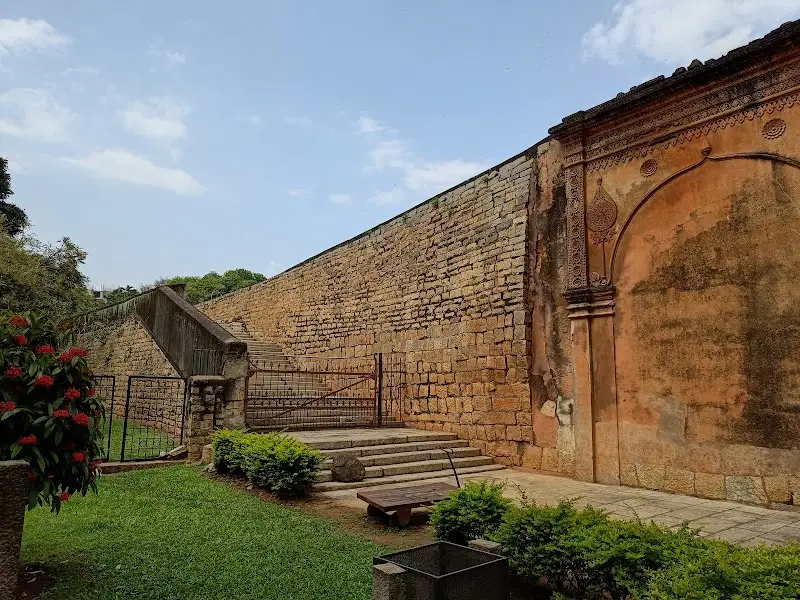
Bengaluru Fort
Discover the historic Bengaluru Fort, a 16th-century landmark established by Kempe Gowda I. Explore its stone walls, the iconic Delhi Gate, and its rich history from Tipu Sultan's reign to the British siege of 1791.
Bengaluru Fort is a tourist attraction in New Tharagupet, Bengaluru. It currently holds a 4.5/5 rating from 26100 reviews.
Quick Highlights
Best For
- People looking for tourist attraction options in New Tharagupet
- Visitors who prefer highly rated local businesses
- Budget-friendly visits and repeat use
- People who want clear directions and contact details before visiting
Overview
Bengaluru Fort: Exploring the 16th-Century Heart of Bangalore
The Bengaluru Fort (Bangalore Fort) stands as the silent architect of the city’s identity, tucked away in the vibrant, labyrinthine lanes of the K.R. Market area. Originally established in 1537 by Kempe Gowda I, the visionary founder of Bengaluru, this historic landmark has evolved from a simple mud structure into a formidable stone fortress that witnessed the rise and fall of empires. While modern Bangalore (Bengaluru) is celebrated as India’s Silicon Valley, the remnants of this fort serve as a powerful reminder of its military and administrative origins.
Whether you are exploring as a local or visiting as a tourist seeking to understand the city’s soul, the Bengaluru Fort is an essential destination. Managed by the Archaeological Survey of India (ASI), the site is open daily from 8:30 AM to 5:30 PM, and the best part is that entry is completely free. Located just a short distance from the Green Line metro station at KR Market, it is easily accessible for anyone interested in exploring the rich heritage of the “Garden City.”
Quick Facts: What You Need to Know
- Established: 1537 (Mud Fort by Kempe Gowda I), 1761 (Stone Fort by Hyder Ali).
- Key Architecture: Islamic-style military architecture with Dravidian influences.
- Main Highlights: The Delhi Gate, remaining stone ramparts, and the ancient Ganapathi Temple.
- Entry Fee: Free for all (Indian and Foreign nationals).
- Visit Duration: 45 minutes to 1 hour (best combined with Tipu Sultan’s Summer Palace).
- Official Resource: Detailed information can be found on the official Karnataka Tourism portal.
The Historical Legacy: From Kempe Gowda I to the Mysore Empire
To truly understand the Bengaluru Fort, one must travel back to 1537, a period when the landscape was a sprawling tapestry of dense forests and rugged granite outcrops. Kempe Gowda I, a feudal chieftain under the Vijayanagara Empire and the visionary founder of Bangalore, envisioned a capital that would serve as a major administrative and trading hub. He chose this specific plateau for its elevation, which offered a naturally defensive position and a cooler climate than the surrounding plains.
The original Bangalore Fort was a mud structure, but do not let its humble materials fool you—it was a sophisticated defensive work for its time. It was built with eight massive gates, including the Yelahanka Gate, the Halasuru Gate, and the Sondekoppa Gate. These gates weren’t merely functional entrances; they were symbolic thresholds into the “Bengaluru Pete,” the fortified commercial town that Kempe Gowda established. The Pete was meticulously planned with dedicated streets for various trades—cotton, grain, oil, and jewelry—many of which still retain their original names and vibrant commercial functions today. For over two centuries, this mud fort provided a safe haven for the city’s burgeoning population of merchants, artisans, and administrators.
The Evolution from Mud to Granite
The transition from a mud fort to a massive stone fortress in 1761 marked a seismic shift in the region’s geopolitical landscape. Hyder Ali, who had risen from a common soldier to become the de facto ruler of the Kingdom of Mysore, recognized that the encroaching British East India Company and the Maratha Empire posed significant threats to his sovereignty. He commissioned a total reconstruction of the fort, replacing the earthen walls with high-quality granite blocks sourced from the nearby quarries of the Deccan Plateau.
This was not merely a change in building materials; it was a revolution in military engineering. The new stone walls were built with immense thickness, designed to absorb and deflect the impact of heavy artillery fire. The bastions were strategically positioned to provide a 360-degree field of fire, ensuring that no enemy could approach the walls without being exposed to Mysore’s formidable weaponry. His son, Tipu Sultan, the “Tiger of Mysore,” continued his father’s work, adding sophisticated features like hidden storage chambers for gunpowder, reinforced iron-studded gateways, and underground escape routes. Under their reign, the Bengaluru Fort became more than just a military garrison; it was a potent symbol of indigenous resistance against colonial expansion, representing the power, wealth, and technological sophistication of the Mysore state.
Related Tourist Attraction Places
Discover other similar tourist attraction places in Bengaluru you might be interested in:
The Strategic Importance: Why This Location?
The decision by Kempe Gowda I, and later Hyder Ali, to invest so heavily in this specific location was not accidental. The fort sat at the critical intersection of major trade routes connecting the Deccan Plateau with the prosperous coastal regions of the South. By controlling this fort, a ruler could control the flow of precious goods—spices, textiles, horses, and gold—that fueled the regional economy.
Furthermore, the fort was designed to be almost entirely self-sufficient. Within its walls and the adjacent Pete area, there were numerous “Kalyanis” (sacred water tanks) and massive granaries capable of storing enough food and water to sustain thousands of people during months of a continuous siege. The Bangalore Pete acted as the city’s economic heart, pumping wealth into the state’s coffers, while the fort provided the necessary security to keep that heart beating. This synergy between commerce and defense is precisely what allowed Bangalore to thrive even during the most turbulent periods of the 18th century. Today, as you stand at the Delhi Gate, you are standing at the very spot that once dictated the economic and military fate of Southern India.
The Siege of 1791: A Decisive Moment in Indian History
The most dramatic and consequential chapter in the long history of the Bangalore Fort unfolded during the Third Anglo-Mysore War, a conflict that pitted the might of the British East India Company against the defiant Kingdom of Mysore. In March 1791, British forces under the command of Lord Cornwallis—the same general who had surrendered at Yorktown during the American Revolution—arrived at the gates of Bangalore. Their objective was clear: to capture the fort and use it as a strategic supply base for their ultimate assault on Tipu Sultan’s capital, Seringapatam (Srirangapatna).
The siege was a brutal and protracted affair. For days, the British artillery battered the granite walls of the fort, while Tipu Sultan’s defenders, led by the brave Bahadur Khan, launched daring sorties to harass the enemy. The air was filled with the deafening roar of cannons and the smell of gunpowder. Despite the overwhelming firepower of the British, the fort’s defenders held their ground with incredible tenacity, knowing that the fate of Mysore rested on their shoulders.
The Night of the Breach
On the night of March 21, 1791, the British forces executed a daring and desperate plan. They identified a vulnerable point near the Delhi Gate where the walls had been weakened by their relentless bombardment. Under the cover of darkness, a “forlorn hope”—a detachment of volunteer soldiers—led a storming party through the breach. A fierce hand-to-hand struggle ensued as the Mysore soldiers fought tooth and nail to defend their stronghold.
Bahadur Khan, the fort’s commander, fell in the heat of the battle, his death dealing a significant blow to the defenders’ morale. By dawn, the British had successfully secured the fort, though at a heavy cost of lives on both sides. The capture of the Bengaluru Fort was a turning point in the war; it dismantled Tipu Sultan’s primary defense in the east and provided the British with the logistical advantage they needed to eventually prevail. Today, a marble plaque near the Delhi Gate marks the exact spot where the breach occurred, serving as a solemn tribute to the thousands of soldiers who fought and died on these grounds. Walking along the remaining ramparts, you can almost feel the weight of history in the air, a reminder of the high stakes and human drama that once defined this peaceful site.
Architectural Marvels: The Delhi Gate and Islamic-Military Synthesis
While centuries of urban development and the systematic dismantling of the fort during the 19th century have reduced it to a fraction of its original size, what remains today is an architectural treasure. The Delhi Gate, which serves as the primary entrance for visitors today, is much more than a simple doorway; it is a masterpiece of Islamic-style military architecture infused with subtle Dravidian influences.
As you approach the gate, take a moment to admire the massive granite blocks that form its structure. These were joined without the use of mortar in many places, relying instead on precision-cut interlocking joints—a testament to the high level of masonry skill available in the 18th-century Mysore state. The gateway features a series of receding arches, a characteristic feature of Indo-Islamic design that adds a sense of depth and grandeur to the entrance.
Intricate Details and Defensive Features
Look closely at the motifs carved into the stone. You will find delicate floral patterns and geometric designs that contrast sharply with the otherwise rugged and utilitarian nature of the fortress. These carvings reflect the cultural synthesis that occurred under the reign of Hyder Ali and Tipu Sultan, where Islamic aesthetic sensibilities were blended with local artistic traditions.
The defensive features of the gate are equally impressive. The entrance is designed with a “staggered” or “crooked” path, intended to prevent an attacking force from using a battering ram effectively. Above the arches, you can see small openings called “machicolations,” through which defenders could pour boiling oil or stones on enemies trying to force the gate. The two massive bastions that flank the gate are reinforced with heavy stone glacis, designed to deflect cannon fire. Even in its ruined state, the Bengaluru Fort exudes an aura of strength and artistic elegance that is rare in military structures of this period.
Spiritual Roots: The Ganapathi Temple and Kote Venkataramana Swamy
One of the most striking aspects of the Bengaluru Fort is the way it seamlessly integrates military defense with spiritual life. Tucked within a small courtyard inside the surviving walls is the Ganapathi Temple, a modest yet deeply significant shrine. This temple predates the stone fort, tracing its origins back to the 1537 mud fort of Kempe Gowda I. For nearly five centuries, it has remained a place of continuous worship, its bells ringing through the noise of sieges, market chaos, and modern traffic alike. The temple is dedicated to Lord Ganesha, the remover of obstacles, and it is a common sight to see local residents stopping by for a quick prayer before heading into the bustling KR Market.
Just a short walk from the fort’s southern ramparts stands the Kote Sri Prasanna Venkataramana Swamy Temple, an architectural jewel built in 1689 by King Chikka Devaraja Wodeyar. This temple, dedicated to Lord Venkateshwara, is a stunning example of Vijayanagara and Dravidian architectural styles. The temple was once physically connected to the fort walls, serving as the private place of worship for the Mysore royalty. Its presence so close to the military heart of the city illustrates the traditional Indian concept of the “Rajadharma,” where the protection of the state and the preservation of religious traditions were considered inseparable.
The Visitor Experience: A Journey Through Time
Visiting the Bengaluru Fort today is a sensory experience that defines the “real” Bangalore. To reach the fort, you must first navigate the chaotic, vibrant energy of KR Market. The air is thick with the scent of jasmine, roses, and freshly ground spices. The shouting of vendors and the honking of horns create a symphony of modern Indian life that can be overwhelming to the uninitiated.
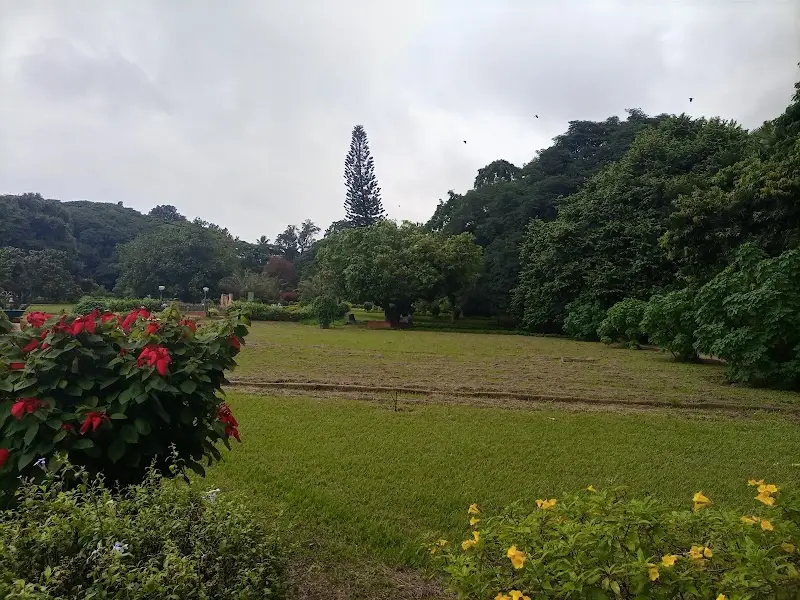
However, as soon as you step through the massive arches of the Delhi Gate, the noise of the city magically recedes. You are transported from the 21st century back to the 18th. The thick granite walls act as a natural sound barrier, creating a pocket of profound silence in the middle of one of India’s most crowded cities. Walking on the well-maintained lawns and looking up at the weathered stone bastions, you can’t help but feel a sense of reverence. It is a place for quiet reflection, away from the glass-and-steel skyscrapers of Electronic City or the trendy cafes of Indiranagar. Here, in the shadow of the Delhi Gate, you are touching the very foundations of Bangalore.
Nearby Heritage Sites: Completing the Historic Circuit
A visit to the fort is the perfect starting point for a deeper exploration of Bangalore’s rich history. To fully understand the legacy of Hyder Ali and Tipu Sultan, you must visit the nearby sites that form the city’s historic core:
- Tipu Sultan’s Summer Palace: Located just 500 meters from the fort, this two-storied palace, known as ‘Rashk-e-Jannat’ (Envy of Heaven), is built entirely of teakwood. Its elegant arches, painted frescoes, and cool interior offer a glimpse into the luxurious yet disciplined life of the Mysore Sultanate.
- KR Market (Krishnarajendra Market): To experience the commercial legacy of the Pete, a walk through this market is essential. It is particularly spectacular in the early morning (around 4:00 AM to 6:00 AM) when the flower market is at its peak.
- Lalbagh Botanical Garden: Originally commissioned by Hyder Ali in 1760 as a private garden for the royalty, Lalbagh is now one of India’s premier botanical research centers. It is a short 15-minute journey from the fort and provides a beautiful green contrast to the stone ruins.
- Bull Temple & Dodda Ganapathi: A short drive away, you can visit the historic Bull Temple (Dodda Basavana Gudi) and the adjacent Shree Dodda Ganapathi Temple, both of which are central to Bangalore’s spiritual identity.
- Bangalore Palace: For a contrast in architectural styles, visit the Bangalore Palace, which was built in the 19th century and inspired by Windsor Castle in England.
Visitor’s Guide: Timings, How to Reach, and Practical Tips
How to Reach Bengaluru Fort
- By Metro: The easiest way to reach the fort is via the Namma Metro Green Line. Get off at the KR Market Station. The fort is a 5-10 minute walk from the station exit.
- By Bus: Numerous BMTC buses connect KR Market to other parts of the city. Look for buses heading towards Majestic or Kalasipalyam.
- By Auto/Cab: You can easily book an Uber or Ola. Use “Bengaluru Fort” or “Bangalore Fort Delhi Gate” as your destination.
Best Time to Visit
To avoid the midday heat and the peak crowds of the surrounding market, plan your visit between 8:30 AM and 11:00 AM. The light during the morning is also perfect for photography. The cooler months from October to February offer the most pleasant weather for exploring this open-air site.
Expert Tips for Your Visit
- Photography: Photography is allowed within the fort premises, but be respectful of the Ganapathi Temple.
- Footwear: Wear comfortable walking shoes, as the ground near the ramparts can be uneven.
- Hydration: Carry a water bottle, although there are small vendors nearby in the market area.
- Combined Ticket: Since the fort is free, you only need to worry about the entry fee for Tipu Sultan’s Summer Palace (if applicable at the time of your visit).
A Suggested Heritage Walk Itinerary
For a perfect morning in old Bangalore, follow this route:
- 8:30 AM: Arrive at Bengaluru Fort and explore the Delhi Gate and Ganapathi Temple.
- 9:30 AM: Walk to the Kote Venkataramana Swamy Temple to admire its Dravidian carvings.
- 10:00 AM: Visit Tipu Sultan’s Summer Palace to see the teakwood arches and frescoes.
- 11:00 AM: End your walk at KR Market for some street photography and local snacks.
FAQ: Frequently Asked Questions about Bengaluru Fort
What are the opening hours for Bengaluru Fort?
The fort is open daily from 8:30 AM to 5:30 PM, including on weekends and public holidays.
Is there an entry fee for Bengaluru Fort?
No, the Bengaluru Fort is free to enter for all visitors. It is managed by the Archaeological Survey of India (ASI).
How much of the original Bengaluru Fort is still standing?
Today, only about 5% of the original fort remains, primarily the Delhi Gate, portions of the ramparts, and two bastions. Most of it was dismantled during the 19th century.
How to reach Bengaluru Fort by metro?
The nearest metro station is KR Market on the Green Line. It is approximately a 500-meter walk from the station to the fort’s entrance.
Is photography allowed at Bangalore Fort?
Yes, photography is permitted. It is a popular spot for history enthusiasts and amateur photographers.
What is the history of the Bengaluru Fort?
The fort was originally built as a mud fort in 1537 by Kempe Gowda I. It was later rebuilt in stone by Hyder Ali in 1761 and further strengthened by Tipu Sultan. It fell to the British in 1791 during the Third Anglo-Mysore War.
Review Snapshot
A quick summary of how visitors rate this listing
26100 reviews
Local search context: New Tharagupet, Bengaluru
Bengaluru Fort is rated 4.5/5 from 26100 reviews in New Tharagupet.
Customer Reviews
What visitors are saying about their experience
Priyanka Prakash Patil
2 weeks ago
"Visited Bengaluru Fort recently – a historic landmark that beautifully showcases the city's rich heritage. The fort's architecture is impressive, with its massive stone walls, intricate gates, and remnants of old structures. Walking through the grounds gives a sense of history and nostalgia. Well-maintained and peaceful, it's a great spot for history enthusiasts and photography lovers alike."
Niraj Vachhani
a month ago
"I recently had the chance to visit Bangalore Fort, a historic landmark right in the heart of the city, and it was a fascinating experience. The fort was originally built in 1537 by Kempegowda I as a mud fort and later converted into a stone fort by Hyder Ali and Tipu Sultan. Today, only a portion of it remains, but walking through the stone gateways and walls immediately gives you a sense of how significant it must have been in the past. The Delhi Gate, with its imposing structure, is the main highlight, and the fort's massive granite walls stand as a reminder of the military strength of the rulers. Inside, you can see remnants of the old structures and get a glimpse of the Ganapathi Temple, which is still intact and adds a spiritual touch to the historical site. What I loved most was how the fort feels like a pocket of history hidden amidst the bustle of modern Bangalore. It doesn't take long to explore (around 30–45 minutes is enough), but it's definitely worth a visit if you enjoy history, architecture, or simply want a quiet escape in the city. Tips for Visitors: Entry is free and photography is allowed. Early morning or late afternoon is best to avoid the heat. Combine the visit with nearby attractions like Tipu Sultan's Summer Palace and KR Market. Overall, Bangalore Fort may not be vast like other forts in India, but it holds immense historical importance and offers a peaceful and insightful experience. I'd recommend it to anyone exploring Bangalore."
Jayamanivel
2 weeks ago
"Reviews for the Bangalore Fort highlight it as a peaceful, historically significant site with well-maintained grounds and unique architecture, though visitors note only a portion of the original fort remains, consisting mainly of the Delhi Gate and bastions. Visitors appreciate the free entry, the historical glimpse into Tipu Sultan's era, and opportunities for photography amidst the serene atmosphere. The presence of a well-kept lawn, an old Ganpati Temple, and the intricately carved motifs on the gate are frequently mentioned positive aspects."
Vivek Naik
3 months ago
"Bengaluru Fort is a fascinating historical site that offers a glimpse into the city's rich past. Though compact in size, it holds a unique charm with its well-structured walls that stand as a testament to the craftsmanship of bygone eras. The fort exudes a quiet yet captivating atmosphere, making it a wonderful place to explore for history enthusiasts and casual visitors alike. Within the premises, you'll find a beautifully maintained garden that adds a touch of greenery to the surroundings. The space is kept clean and hygienic, offering a peaceful spot for relaxation. Whether you're appreciating the architectural details or enjoying a leisurely stroll through the serene environment, Bengaluru Fort provides a delightful blend of history and tranquility. **There is also a small temple inside, though it was closed when we visited, adding to the fort's air of mystery and quiet reverence."
Nearby Alternatives in New Tharagupet
Compare more tourist attraction options around New Tharagupet and nearby parts of Bengaluru.
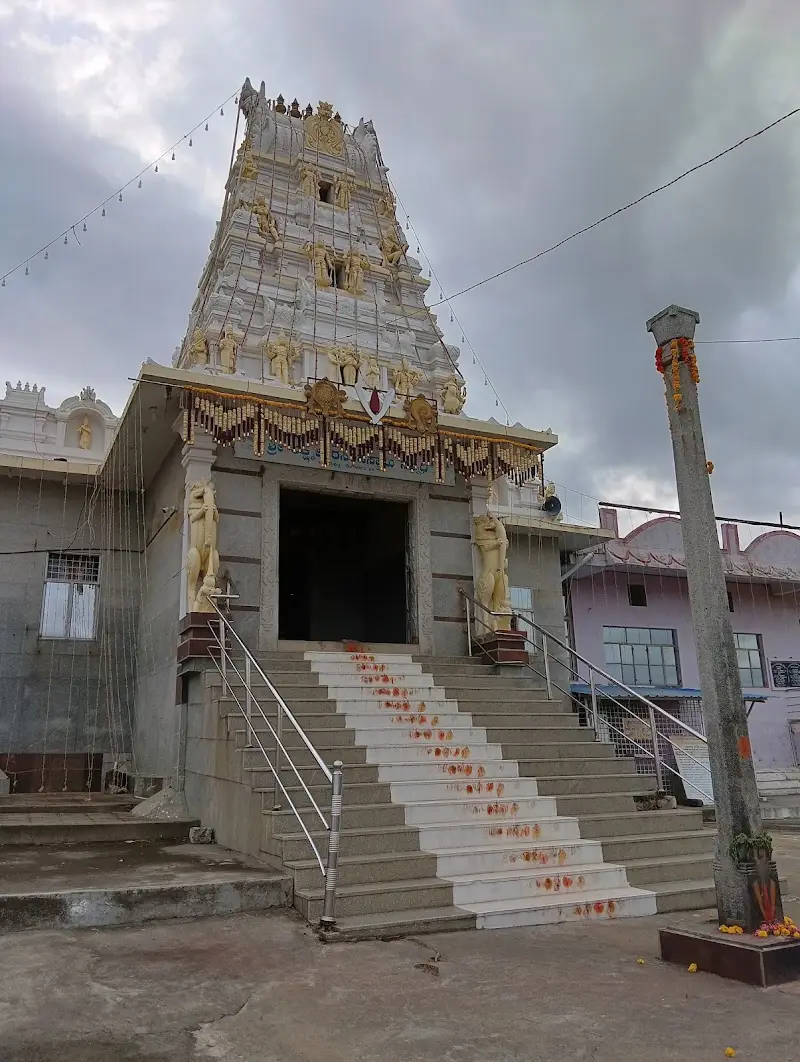
Shri Champakadhama Swamy Temple
A serene temple dedicated to Lord Vishnu, nestled amidst lush greenery" and offering panoramic views of Bengaluru from the nearby hills.
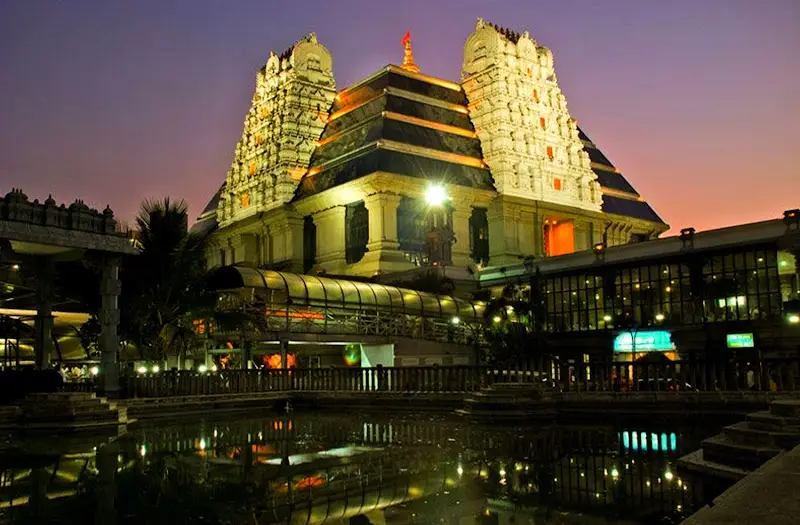
ISKCON Bangalore
ISKCON Bangalore is a serene Krishna temple on Hare Krishna Hill offering spiritual darshan, prasadam, cultural programs, and a peaceful retreat in Bengaluru.

NIMHANS Brain Museum Bengaluru
NIMHANS Brain Museum offers a unique educational experience with preserved" human brains and organs, interactive sessions on neuroscience, and insights into brain anatomy.
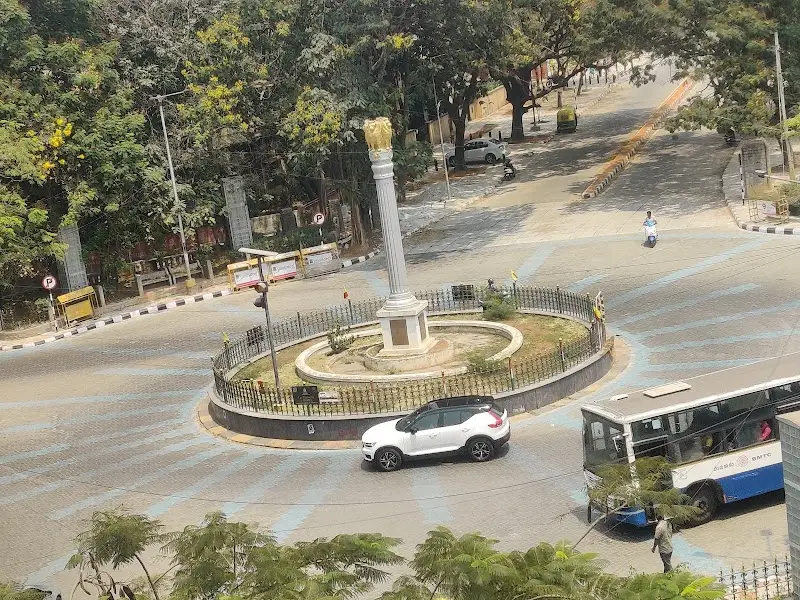
Ashoka Pillar Monument
The Ashoka Pillar Monument in Jayanagar features a 20-foot stone pillar with four lions and Mysore royal emblems, serving as a historic landmark at a bustling road junction.

Dandiganahalli Dam
Dandiganahalli Dam is a serene reservoir offering stunning views, ideal for picnics, photography, and relaxation amidst lush greenery near Bengaluru.
Floral Clock
The Floral Clock in Lalbagh Botanical Garden is a unique seven-meter-wide clock made of flowers, surrounded by Snow White statues, offering a blend of horticulture and timekeeping.