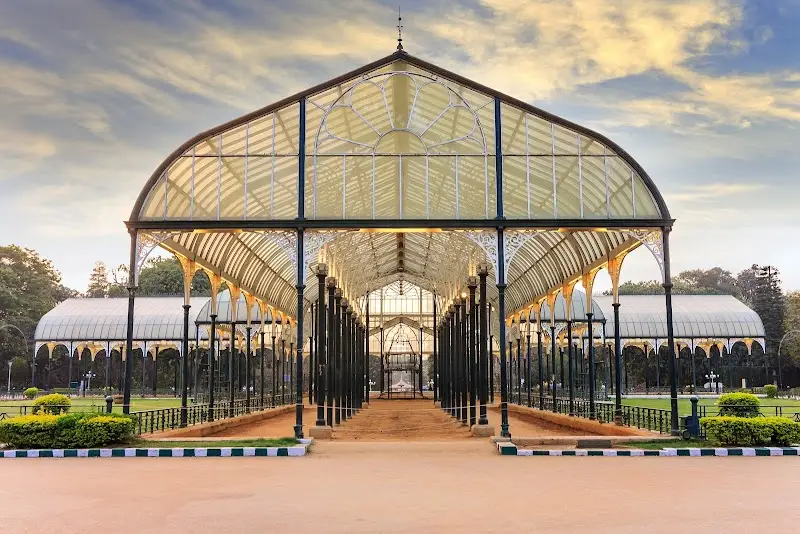
Lalbagh Botanical Garden
Lalbagh Botanical Garden is a historic botanical garden in Bengaluru, featuring India's largest collection of tropical plants, a 19th-century Glass House, and the 3-billion-year-old Lalbagh Rock.
Lalbagh Botanical Garden is a tourist attraction in Mavalli, Bengaluru. It currently holds a 4.4/5 rating from 170989 reviews.
Quick Highlights
Best For
- People looking for tourist attraction options in Mavalli
- Mid-range visits and repeat use
- People who want clear directions and contact details before visiting
Your Expert Guide to Lalbagh Botanical Garden in Bangalore (Bengaluru)
Over 240 acres of lush greenery await at Lalbagh Botanical Garden, a historic sanctuary that has served as the lungs of South Bangalore for over two and a half centuries. Whether you’re a botany enthusiast, a photography lover, or a local resident seeking a peaceful morning walk, Lalbagh (meaning “The Red Garden”) offers an unparalleled escape from the city’s frantic pace.
Commissioned in 1760 by Hyder Ali and later embellished by his son Tipu Sultan, this botanical masterpiece houses India’s largest collection of tropical and sub-tropical plants. It is not just a park; it is a living laboratory and a testament to the city’s rich horticultural heritage. With over 1,854 species of plants and trees, some of which were imported from as far as Persia, Afghanistan, and France, Lalbagh remains a cornerstone of the Bangalore (Bengaluru) landscape.
For a deeper understanding of the garden’s significance, visitors can explore the official Karnataka Tourism portal, which highlights Lalbagh as one of the state’s premier heritage sites.
A Legacy of Greenery: The History of Lalbagh
The story of Lalbagh began when Hyder Ali, inspired by the Mughal gardens of Sira, decided to create a private royal retreat. He chose a site with a massive granite outcrop and 40 acres of land. His son, Tipu Sultan, shared this passion for botany and significantly expanded the garden, introducing rare species from around the world. It is said that Tipu Sultan’s messengers traveled to various countries to bring back seeds and saplings, laying the foundation for the diverse collection we see today.
Following the fall of Seringapatam in 1799, the garden came under British administration. It was during this period that Lalbagh evolved from a royal pleasure garden into a world-class botanical research center. Major contributions came from superintendents like William New and John Cameron. John Cameron, an enthusiast of Victorian architecture, was instrumental in commissioning the famous Glass House in 1889, modeled after London’s Crystal Palace.
In the 20th century, Dr. M.H. Marigowda, often called the “Father of Karnataka Horticulture,” transformed Lalbagh into a hub for agricultural development and education. He envisioned the garden not just as a place of beauty, but as a resource for farmers and scientists. Today, the garden is managed by the Department of Horticulture, Government of Karnataka, maintaining its status as a premier tourist attraction and research facility.
Related Tourist Attraction Places
Discover other similar tourist attraction places in Bengaluru you might be interested in:
Architectural Marvel: The Glass House
The crown jewel of Lalbagh is undoubtedly the Glass House. Built to commemorate the visit of Albert Victor, the Prince of Wales, this magnificent iron and glass structure is an engineering marvel of the 19th century. Its skeletal frame was cast in Glasgow, Scotland, by the famous foundry of Macfarlane & Co., and shipped to Bangalore for assembly.
The Glass House serves as the primary venue for the bi-annual flower shows that attract millions of visitors. Its design allows for an abundance of natural light, which is perfect for displaying the intricate floral arrangements. During the golden hours of sunrise and sunset, the light filtering through the glass panes creates a ethereal atmosphere, casting long shadows across the interior exhibits. It is a favorite spot for photographers, though capturing its grandeur during the crowded flower shows requires patience and early timing.
Architecturally, the structure has undergone several restorations to maintain its integrity against the Bangalore monsoon. The use of cast iron columns and intricate glasswork reflects the zenith of Victorian greenhouse design, similar to the structures found in Kew Gardens, London.
The Ancient Lalbagh Rock
While the greenery is the main draw, the Lalbagh Rock is a geological wonder that predates the garden by billions of years. This massive outcrop of Peninsular Gneiss is estimated to be over 3,000 million (3 billion) years old. It is a National Geological Monument, recognized for its scientific importance in understanding the Earth’s early history.
Perched atop this rock is one of the four watchtowers built by Kempegowda I, the founder of Bangalore, in the 16th century. According to local lore, Kempegowda predicted that the city would eventually grow to reach these four boundaries. Today, the city has far surpassed these limits, but the tower remains a symbol of Bangalore’s origins. From this vantage point, visitors can enjoy panoramic views of the garden’s canopy and the surrounding neighborhood of Basavanagudi. For those interested in the city’s geological history, the Geological Survey of India provides detailed documentation on this and other similar monuments in the region.
A Deep Dive into the Flora of Lalbagh
Lalbagh is home to an extraordinary array of trees and plants, many of which have significant historical and botanical value. Walking through the garden is like traversing through different climatic zones of the world.
Iconic Trees to Look For
- The Silk Cotton Tree (Bombax ceiba): One of the oldest and largest trees in the garden, its massive buttress roots and sprawling canopy are a sight to behold. During spring, it is covered in large, waxy red flowers. Some of these specimens are believed to be over 250 years old.
- The Araucaria (Cook Pine): Introduced during the British era, these towering, slender trees are native to the South Pacific and add a distinct verticality to the Lalbagh skyline. They are often seen leaning slightly towards the equator, a characteristic trait of the species.
- The Baobab (Adansonia digitata): Native to Africa, these “upside-down trees” are known for their thick, water-storing trunks. Lalbagh houses a few specimens that have adapted well to the Bangalore climate, standing as silent sentinels of the park’s global botanical connections.
- The Great Banyan Tree: While not as large as the one in Kolkata, Lalbagh has several impressive Banyan trees with numerous aerial roots that have created mini-forests of their own. These trees are vital for the garden’s ecosystem, providing food and shelter for countless birds and insects.
Specialized Botanical Sections
- The Bonsai Garden: This section features a meticulously curated collection of miniature trees, some decades old. It demonstrates the delicate art of bonsai, with species ranging from Ficus to Bougainvillea. The garden often holds workshops for enthusiasts.
- The Cactus and Succulent House: A separate enclosure that features a diverse range of desert plants. The collection includes everything from tiny lithops (living stones) to massive saguaro-like cacti. It is a testament to the garden’s ability to maintain diverse microclimates.
- The Rose Garden: Featuring hundreds of varieties of roses, this section is a riot of color and fragrance during the peak blooming season from November to February. It is a popular spot for morning walkers and couples.
- The Topiary Garden: Here, shrubs and trees are pruned into various shapes, including animals and geometric forms, showcasing the skill of the garden’s horticultural staff.
Fauna of Lalbagh: A Haven for Wildlife
Despite being in the heart of a bustling metropolis, Lalbagh remains a vital ecosystem for local wildlife. The garden serves as an “urban forest,” providing a corridor for species that would otherwise struggle in the concrete jungle.
Birdwatching at Lalbagh
Lalbagh Lake is the focal point for birdwatchers. The water body and the surrounding trees attract a variety of resident and migratory birds. Common sightings include:
- Spot-billed Pelicans: Often seen gliding over the water or perched on the island.
- Purple Moorhens: Known for their vibrant plumage and long red legs, they are often found near the marshy edges of the lake.
- Kingfishers: Several species, including the Common Kingfisher and the White-throated Kingfisher, are regular visitors, often seen perched on low branches over the water.
- Parakeets and Barbets: The old-growth trees provide ample nesting sites for these colorful birds. The Coppersmith Barbet is frequently heard before it is seen.
The best time for birdwatching is early morning, between 6:30 AM and 8:30 AM, when the garden is quiet and the birds are most active.
Other Wildlife
Visitors will frequently encounter nimble Indian palm squirrels and various species of butterflies, especially in the areas with flowering shrubs. While monkeys (Macacta radiata) are present, they are generally less aggressive than those in more forested areas, but it’s always wise to keep food items tucked away and avoid direct eye contact.
The Bi-Annual Flower Shows: A Bangalore Tradition
The flower shows are the most anticipated events in Bangalore’s cultural calendar. Held twice a year—around Republic Day (January 26th) and Independence Day (August 15th)—these shows transform the Glass House into a floral wonderland.
Each show has a specific theme, often celebrating a historical figure, a national monument, or a cultural concept. Millions of flowers, including exotic varieties like Dutch roses, orchids, and lilies, are used to create massive sculptures and installations. The planning for these shows begins months in advance, involving hundreds of gardeners and artists. Recent themes have included a floral replica of the Hampi Stone Chariot and a tribute to the late actor Puneeth Rajkumar.
Pro-Tip for Visitors: If you want to avoid the crushing crowds, try to visit on the very first or second day of the show, specifically during the weekday morning hours (9:00 AM to 11:00 AM). Avoid weekends and public holidays at all costs if you’re looking for a peaceful experience.
Seasonal Highlights: When to Visit
Lalbagh changes its character with every season, offering something new throughout the year.
- Summer (March to May): This is when many tropical trees are in full bloom. Look for the bright yellow flowers of the Tabebuia and the fiery red blossoms of the Gulmohar. While the afternoons are hot, the early mornings are still pleasant under the dense canopy.
- Monsoon (June to September): The garden turns into a vibrant, deep green. The rain-washed leaves and the misty atmosphere around the lake are perfect for a romantic walk. However, be prepared for muddy paths in some sections. This is also a great time to see the lake at its fullest.
- Winter (October to February): This is the best time for general visitors. The weather is cool and pleasant, and the flowers in the Rose and Hibiscus gardens are at their peak. This period also coincides with the Republic Day Flower Show.
Photography Tips for Lalbagh
For photography enthusiasts, Lalbagh offers endless opportunities. Here are some tips to get the best shots:
- Golden Hour: The first hour after sunrise and the last hour before sunset offer the softest light, perfect for capturing the Glass House and the lake.
- Macro Photography: The Bonsai Garden and the Cactus House are excellent for close-up shots of textures and patterns.
- Reflections: Use the still waters of the lake for beautiful reflection shots of the surrounding trees and the sky.
- Permissions: While mobile photography is free, using a professional DSLR requires a fee of ₹50. For commercial shoots or wedding photography, you must obtain prior permission from the Horticulture Department office near the North Gate.
Practical Visitor Information
To ensure a smooth visit, keep these logistical details in mind.
| Information | Details |
|---|---|
| Timings | 5:00 AM to 7:00 PM (Daily) |
| Free Entry | 5:00 AM to 9:00 AM and 6:00 PM to 7:00 PM (For walkers/joggers) |
| Paid Entry | 9:00 AM to 6:00 PM |
| Entry Fee | ₹50 for adults (prices vary during flower shows) |
| Camera Fee | ₹50 for still cameras; separate charges for video |
| Metro Access | Lalbagh Metro Station (Green Line) - West Gate |
| Best Time | November to February (Cooler weather) |
The Four Gates of Lalbagh
- West Gate (Siddapura Gate): Closest to the Lalbagh Metro Station. This is the most convenient gate for those using public transport.
- North Gate (Subbaiah Circle Gate): Often considered the main entrance, it leads directly towards the Glass House. This gate is convenient if you’re coming from the Hudson Circle area.
- East Gate (Double Road/K.H. Road Gate): Convenient for those coming from the central business district (MG Road, Indiranagar).
- South Gate (Basavanagudi Gate): Located near the famous Bull Temple and Ashoka Pillar. This area has the most traditional Bangalore vibe.
Insider Tips for Your Visit
- The “Fruit Snack” Rule: Lalbagh has a strict policy against fast food and plastic. However, you’ll find stalls inside selling fresh fruits like papaya, watermelon, and cucumber. These are refreshing, healthy, and eco-friendly snacks.
- Nursery Section: If you’re inspired by the greenery, visit the Lalbagh Nursery located near the North Gate. You can buy saplings, seeds, and gardening tools at government-subsidized rates.
- Buggy Rides: For ₹100-200, you can take a 30-minute buggy tour. It’s a great way to get an overview of the park before deciding where to spend more time on foot. This is particularly recommended for senior citizens and families with young children.
- Hydration: While there are water fountains, carrying your own reusable (non-plastic) water bottle is highly recommended.
- Tree Census: Many of the trees have small metal tags with numbers. These correspond to the garden’s digital tree census, which helps in tracking the health and age of the botanical collection.
Nearby Food Culture: The Basavanagudi Experience
A trip to Lalbagh is incomplete without experiencing the local food culture of Basavanagudi. This neighborhood is home to some of Bangalore’s most iconic breakfast spots.
- MTR (Mavalli Tiffin Rooms): Located just outside the North Gate, this legendary eatery has been serving authentic Karnataka breakfast since 1924. Their Rava Idli and Masala Dosa are must-tries.
- Vidyarthi Bhavan: A short walk from the South Gate, this place is famous for its crispy Masala Dosas served with a dollop of butter.
- Brahmin’s Coffee Bar: Known for its steaming Idlis and arguably the best coffee in the city. It is a standing-only joint that captures the essence of old Bangalore.
Nearby Places to Explore
Lalbagh is located in one of Bangalore’s most culturally rich neighborhoods. After your walk, consider visiting:
- Shree Dodda Ganapathi Temple: Located just a short distance from the South Gate, this temple is famous for its massive monolithic Ganesha idol.
- Shri Doddabasavanna Temple (Bull Temple): Adjacent to the Ganesha temple, this 16th-century temple features one of the largest Nandi statues in the world.
- Bengaluru Fort: A remnant of the city’s military history, located near the KR Market area.
- Cubbon Park: If you haven’t had enough greenery, head to the city’s other major park located near MG Road.
Conclusion
Lalbagh Botanical Garden is more than just a destination; it’s an experience that connects you with Bangalore’s historical roots and its natural beauty. Whether you’re marveling at the 3-billion-year-old rock, studying the intricate architecture of the Glass House, or simply enjoying a quiet moment by the lake, Lalbagh offers a profound sense of peace. It remains a shining example of conservation and horticultural excellence in India, reminding us of the importance of preserving our green heritage in an ever-growing urban landscape.
Frequently Asked Questions
What are the metro timings for Lalbagh?
The Lalbagh Metro Station on the Green Line operates from roughly 5:00 AM to 11:00 PM. It is located just a few steps from the garden’s West Gate. For the latest schedule, check the Namma Metro official website.
Can I bring my own food into Lalbagh?
While light snacks are allowed, Lalbagh is a plastic-free zone and discourages heavy meals or fast food inside the premises to maintain cleanliness. We recommend trying the fresh fruit stalls inside or visiting the famous eateries in nearby Basavanagudi.
How often are the flower shows held?
The flower shows are held twice a year: once in January (around Republic Day) and once in August (around Independence Day). Each show typically lasts for 10 to 12 days.
Is photography allowed in Lalbagh?
Yes, photography is allowed, but there is a fee of ₹50 for still cameras. Professional photoshoots or video recordings may require prior permission and higher fees from the Horticulture Department.
Is the garden accessible for people with disabilities?
The main paths are relatively flat and paved, making them accessible for wheelchairs. Additionally, battery-operated buggies are available for those who find it difficult to walk long distances. These can be found near the North and West gates.
Review Snapshot
A quick summary of how visitors rate this listing
170989 reviews
Local search context: Mavalli, Bengaluru
Lalbagh Botanical Garden is rated 4.4/5 from 170989 reviews in Mavalli.
Customer Reviews
What visitors are saying about their experience
praniket more
a week ago
"Lalbagh Botanical Garden is truly a beautiful and serene oasis in the heart of Bangalore. It's a perfect place for nature lovers and photographers, with a stunning variety of plants and a peaceful lake to relax by. The beautiful wooden art scattered around adds a unique charm, blending art with nature effortlessly. Don't miss the Bonsai Garden, which showcases a fascinating collection of miniature trees that captivate visitors with their delicate beauty. Overall, Lalbagh is one of the best places to visit for a refreshing and inspiring experience."
Shreyasi Chakravarty
a month ago
"We visited Lalbagh Botanical Garden, during the Flower Show, and honestly… we were blown away! We had no idea that so many varieties of flowers even existed on this planet! It felt like stepping into a real-life fairy tale — vibrant colors, mesmerizing patterns, and fragrances that made us forget we were in the middle of a bustling city. The floral displays were nothing short of magical — from exotic orchids and bonsais to massive floral installations that looked like they belonged in a fantasy movie. We also explored the nursery section, and wow — it's a hidden gem for any plant lover! We picked up a few beautiful plants and pots at surprisingly affordable rates. You could literally start your own mini garden without burning a hole in your pocket. The whole experience was well-organized, the crowd was managed decently, and there were plenty of photo-worthy spots around every corner. If you're in Bangalore and the flower show is on — don't miss it. Even if it's not, Lalbagh itself is a serene escape filled with greenery, history, and natural beauty. Can't wait to visit again during the next show!"
Sai Leela
2 weeks ago
"Lalbagh Botanical Garden is a beautiful and peaceful place in the middle of the city. The garden is very well maintained with a huge variety of trees, plants, and flowers. The glasshouse and the lake are highlights, and the atmosphere is calm and refreshing. Perfect for morning walks, family outings, or just to relax in nature. Truly one of Bengaluru's best spots!"
Shaikh Abdul Raheem
a week ago
"Amazing park. Very neatly maintained. No pollution inside park. All plastic is prohibited. The best thing here is, they don't sell any fast food, they sell fruits inside park as snacks. I really appreciate the idea. Ticket price is not 25/-. It is 50/-. Park does not have any lights inside, so, it's better to exit by 6:30pm."
Abrar Rahman Khan Niloy
a month ago
"Lalbagh is one of the major attractions in Bengaluru. It is a paradise for nature lovers. It is a place to relax with the family. There is a large collection of various species of plants and flowers here. One of the most visited places here is the Glass House, which is built in imitation of the Crystal Palace in London. Other places of interest include the Floral Clock, Large Rock, Bonsai Garden, Cactus Garden, Rose Garden, Hibiscus Garden. There is a large and picturesque lake at the southern end of Lalbagh, which has a walking facility around it. There is also a bridge and a small fountain. It has 4 gates for entry. Gates 1 and 2 are in the north, gate 3 is in the east, and gate 4 is in the west. It is open from 6 am to 7 pm. Entry is free from 6 am to 9 am and from 6 pm to 7 pm. The entry fee is 50 rupees at other time."
Nearby Alternatives in Mavalli
Compare more tourist attraction options around Mavalli and nearby parts of Bengaluru.
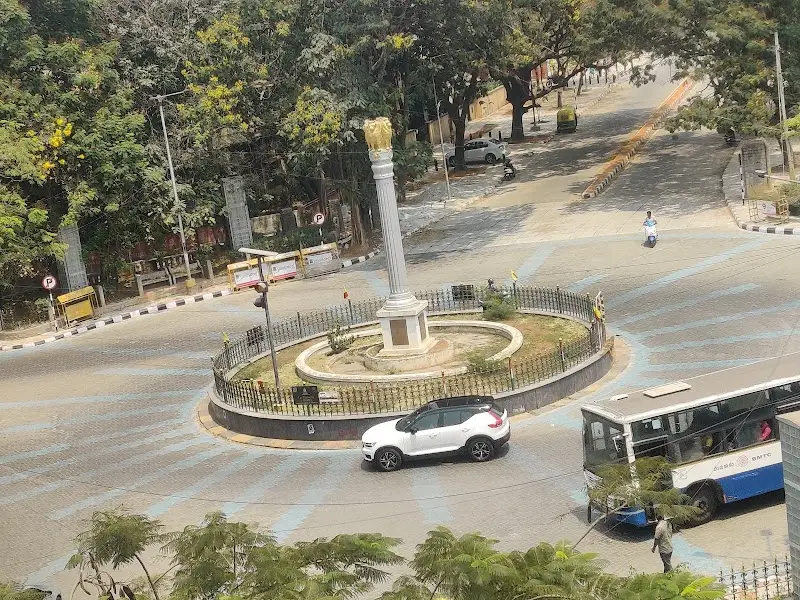
Ashoka Pillar Monument
The Ashoka Pillar Monument in Jayanagar features a 20-foot stone pillar with four lions and Mysore royal emblems, serving as a historic landmark at a bustling road junction.
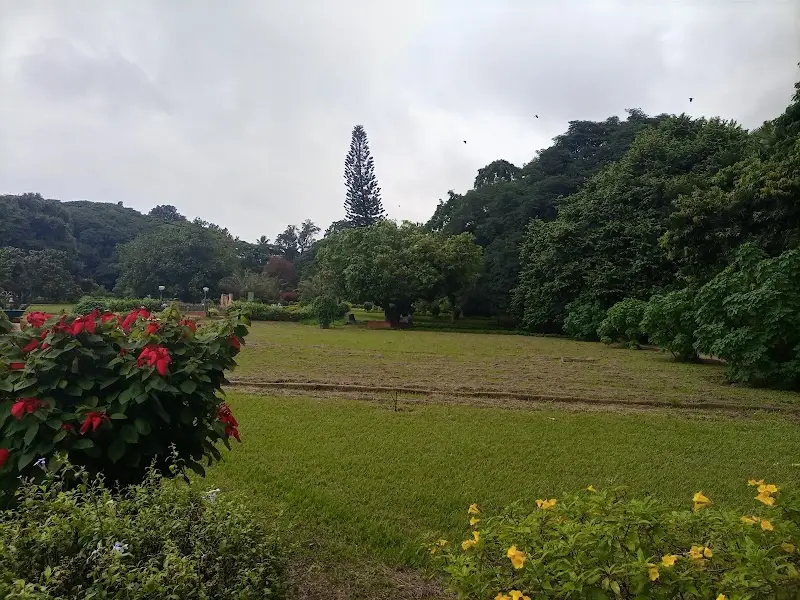
Floral Clock
The Floral Clock in Lalbagh Botanical Garden is a unique seven-meter-wide clock made of flowers, surrounded by Snow White statues, offering a blend of horticulture and timekeeping.
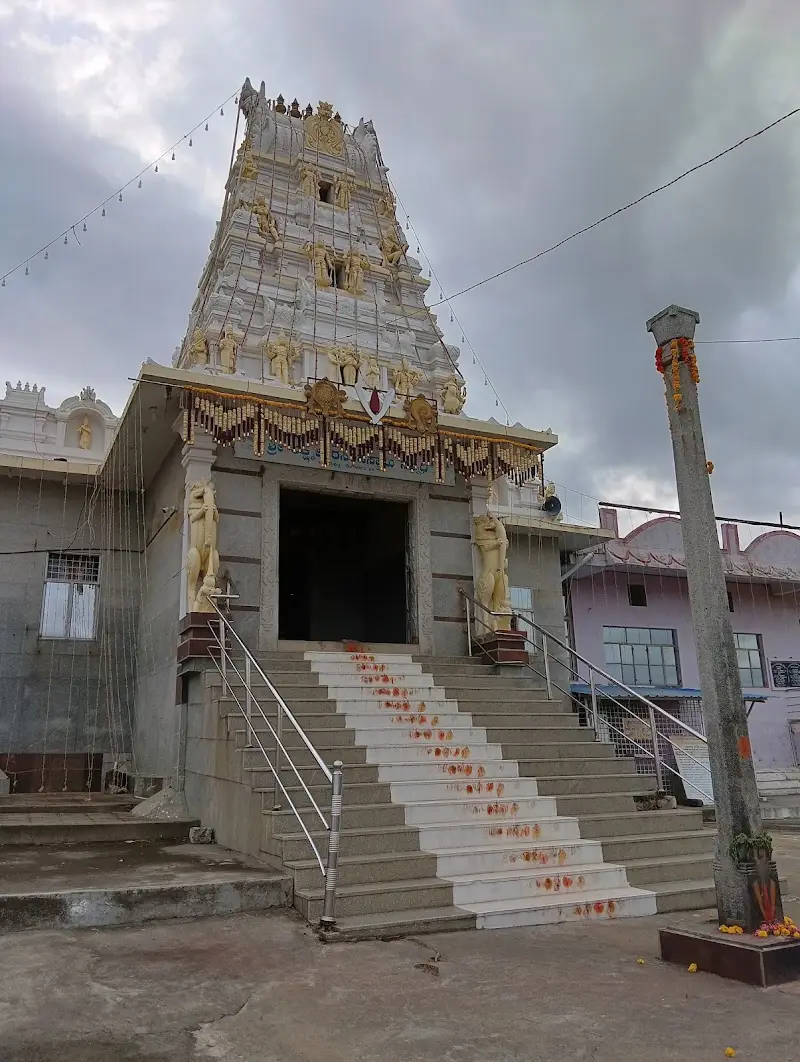
Shri Champakadhama Swamy Temple
A serene temple dedicated to Lord Vishnu, nestled amidst lush greenery" and offering panoramic views of Bengaluru from the nearby hills.
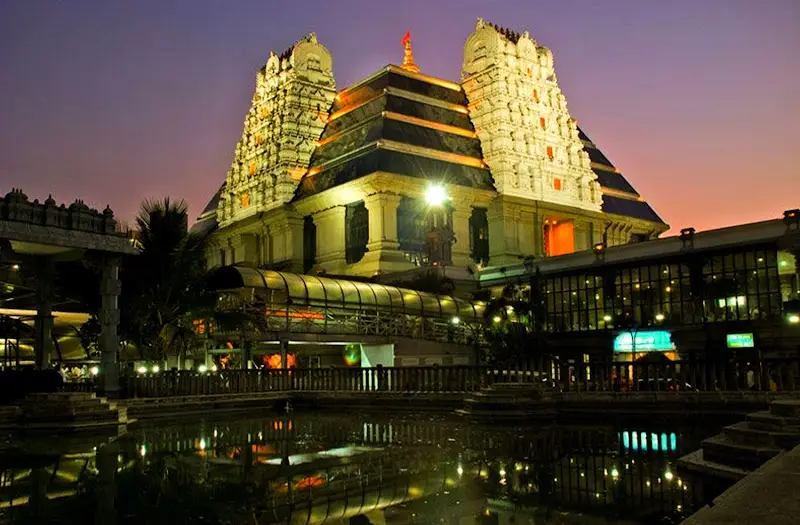
ISKCON Bangalore
ISKCON Bangalore is a serene Krishna temple on Hare Krishna Hill offering spiritual darshan, prasadam, cultural programs, and a peaceful retreat in Bengaluru.
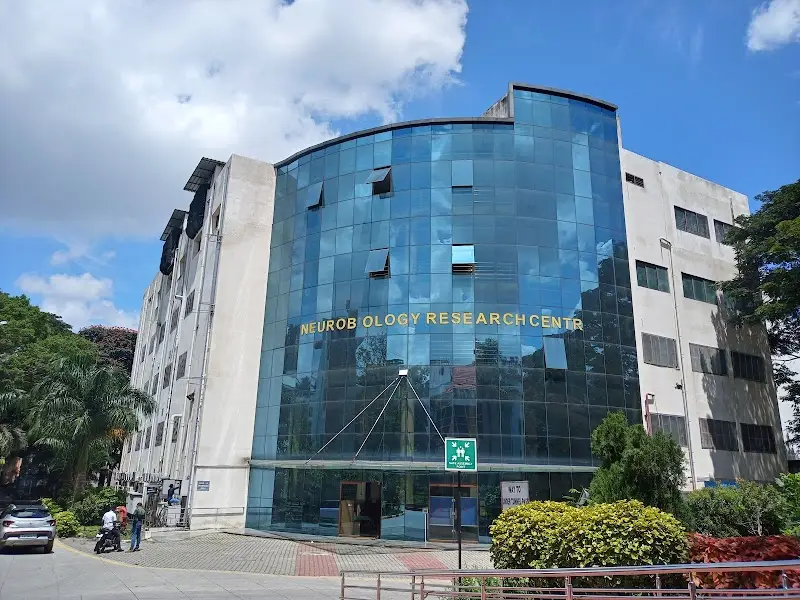
NIMHANS Brain Museum Bengaluru
NIMHANS Brain Museum offers a unique educational experience with preserved" human brains and organs, interactive sessions on neuroscience, and insights into brain anatomy.
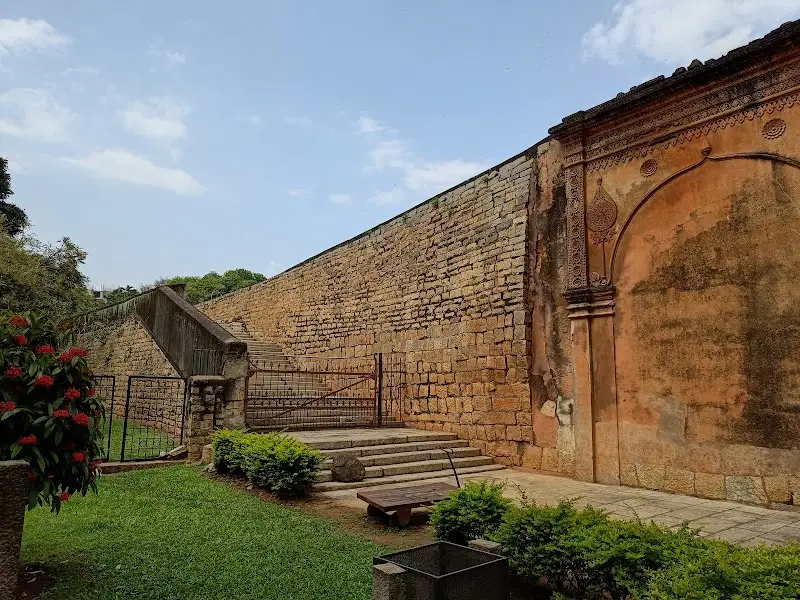
Bengaluru Fort
Discover the historic Bengaluru Fort, a 16th-century landmark established by Kempe Gowda I. Explore its stone walls, the iconic Delhi Gate, and its rich history from Tipu Sultan's reign to the British siege of 1791.